
Anna Wojtyś
University of Warsaw
2 books
She is an assistant editor of Warsaw Studies in English Historical Linguistics, the series of monographs published under the auspices of the University of Warsaw, and an assistant editor of Anglica. An International Journal of English Studies, the journal in literary, cultural and linguistic studies.
Her research interests include:
history of the English language • language contact • language change • varieties of English • sociolinguistics • morphology • phonetics and phonology
Author books
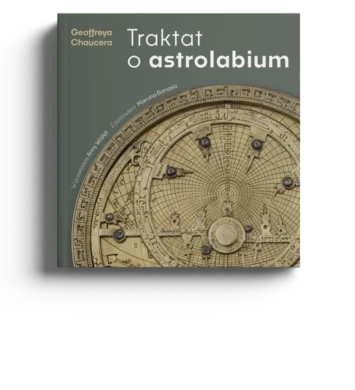
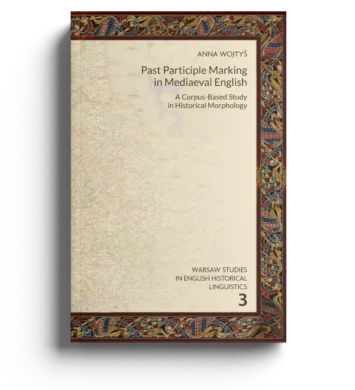
Publications
Mostly Medieval: In Memory of Jacek Fisiak
Check out bookMiędzy tekstem a kulturą: Z zagadnień interpretacyjnych
Check out bookPublished with Æ Academic:
(2020) Adapting Shakespeare and Fletcher’s drama for theatre:
A selection of problems on the way of rendering the tragicomedy The Two Noble Kinsmen into Polish [In:] H. Sauer & P. P. Chruszczewski (Eds.), Mosty medieval: In Memoriam of Jacek Fisiak (Beyond Language 5). San Diego, CA: Æ Academic.; 371‒394
The text of drama may be changed considerably in the process of its adaptation for theatre. Factors such as the age of the target audience, the size of the theatre or the available equipment often result in the need for the alteration of the text which typically involves its abridgement. Other solutions include the rephrasing of the original passages and replacing portions of text with more familiar expressions. The article discusses the adaptation of The Two Noble Kinsmen, a less-known Shakespeare’s drama composed in the collaboration with Fletcher. The play had its Polish premiere in 2016 in Jan Dorman Theatre in Będzin. Due to the nature of the house, which is predominantly a theatre for children, the literal Polish translation underwent considerable changes.
(2022) Dramat Szekspira i Fletchera w adaptacji scenicznej. Wybrane problemy związane z przekładem The Two Noble Kinsmen na język polski [Shakespeare and Fletcher’s Drama Adapted for Theater. A Selection of Problems Arising from Rendering The Two Noble Kinsmen into Polish] [In:] P. P. Chruszczewski & A. R. Knapik (Eds.), Między tekstem a kulturą: z zagadnień interpretacyjnych (Beyond Language 7). San Diego, CA: Æ Academic.; 143-168
W procesie adaptacji na potrzeby przedstawienia teatralnego, tekst dramatu może ulec daleko idącym zmianom. Czynniki takie jak wiek odbiorców, rozmiar teatru, czy dostępny sprzęt, często mogą spowodować potrzebę wprowadzenia modyfikacji tekstu, co na ogół łączy się z jego skróceniem. Inne rozwiązania to, na przykład, parafraza niektórych partii oryginału lub zastąpienie ich tekstem budzącym bardziej swojskie skojarzenia. Niniejszy artykuł omawia polską adaptację dramatu The Two Noble Kinsmen, mniej znanej sztuki Williama Szekspira napisanej we współpracy z Johnem Fletcherem. Sztuka miała polską premierę w 2016 roku w Teatrze Dzieci Zagłębia im. Jana Dormana w Będzinie. Ze względu na specyficzny charakter teatru, który wystawia głównie produkcje dla młodego widza, polski wierny przekład będący podstawą adaptacji został poddany znacznym zmianom.
The text of drama may be changed considerably in the process of its theatrical adaptation. Factors such as the age of the target audience, the size of the theater, or the available equipment often result in the need for text alteration which typically involves text abridgement. Other solutions include the rephrasing of the original passages and replacing portions of text with more familiar expressions. The article discusses an adaptation of The Two Noble Kinsmen, a less-known Shakespeare’s drama composed in collaboration with Fletcher. The play had its Polish premiere in 2016 in Będzin, at the Jan Dorman Theater. Due to the nature of the house, which is predominantly a theater for children, the faithful Polish translation underwent considerable changes in the process of adaptation.